Description
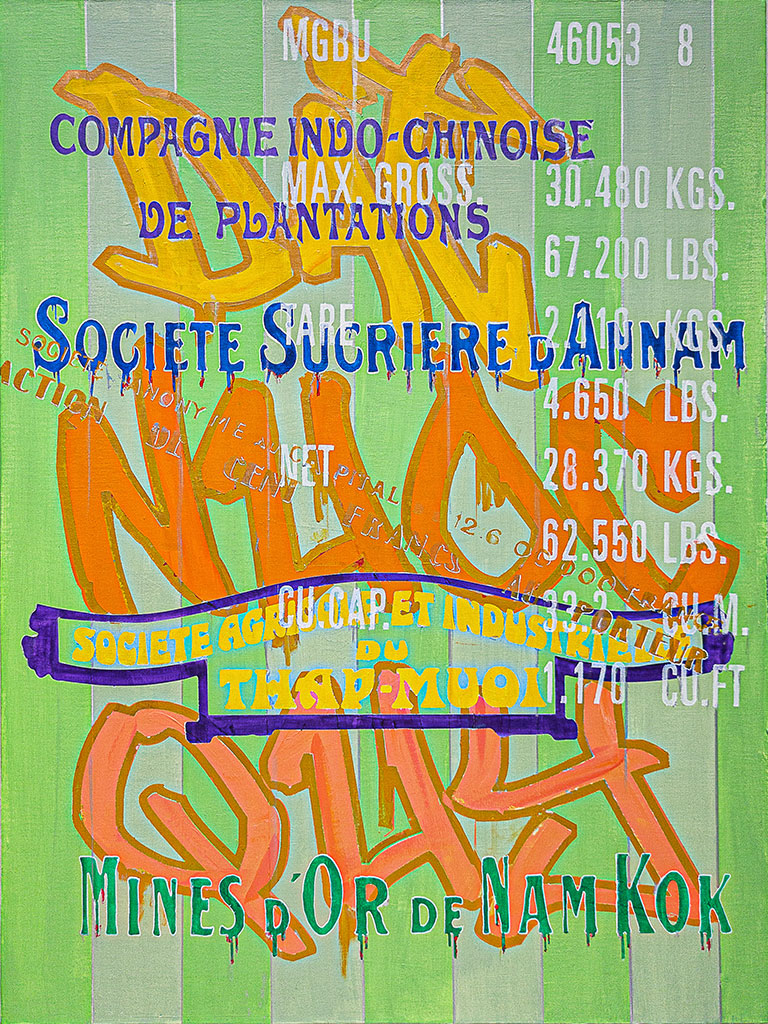
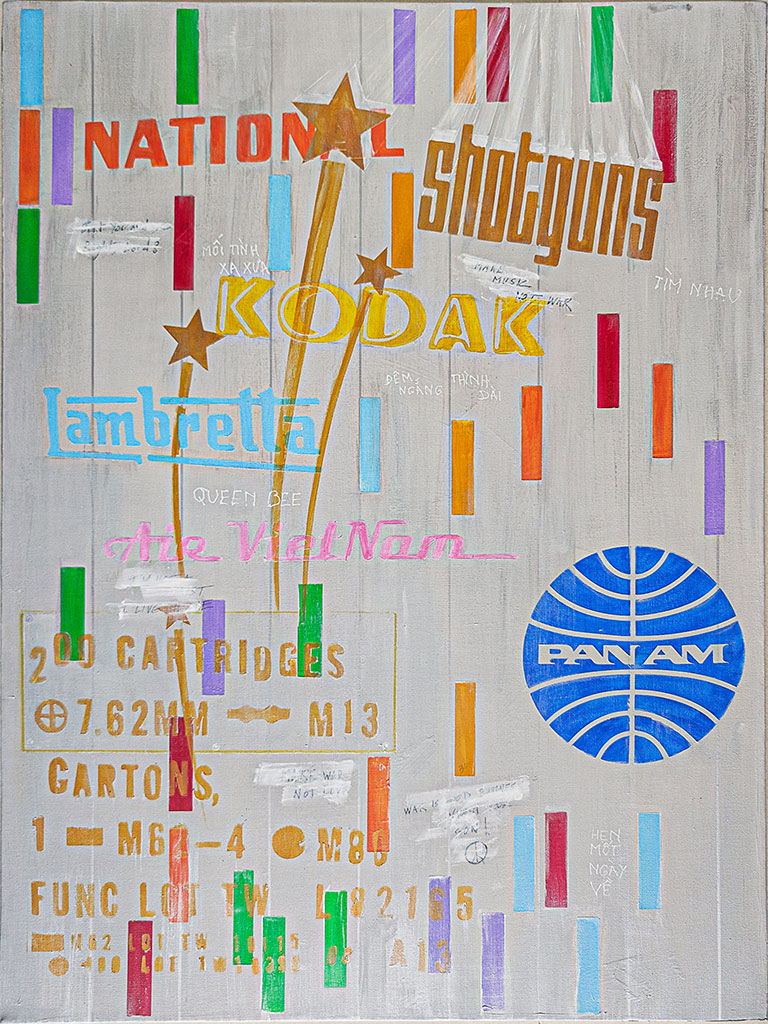
The concept of “Silk Road,” coined in 1877 by geographer Ferdinand von Richthofen, was employed to discuss the early period of trade between the Roman Empire and Han China
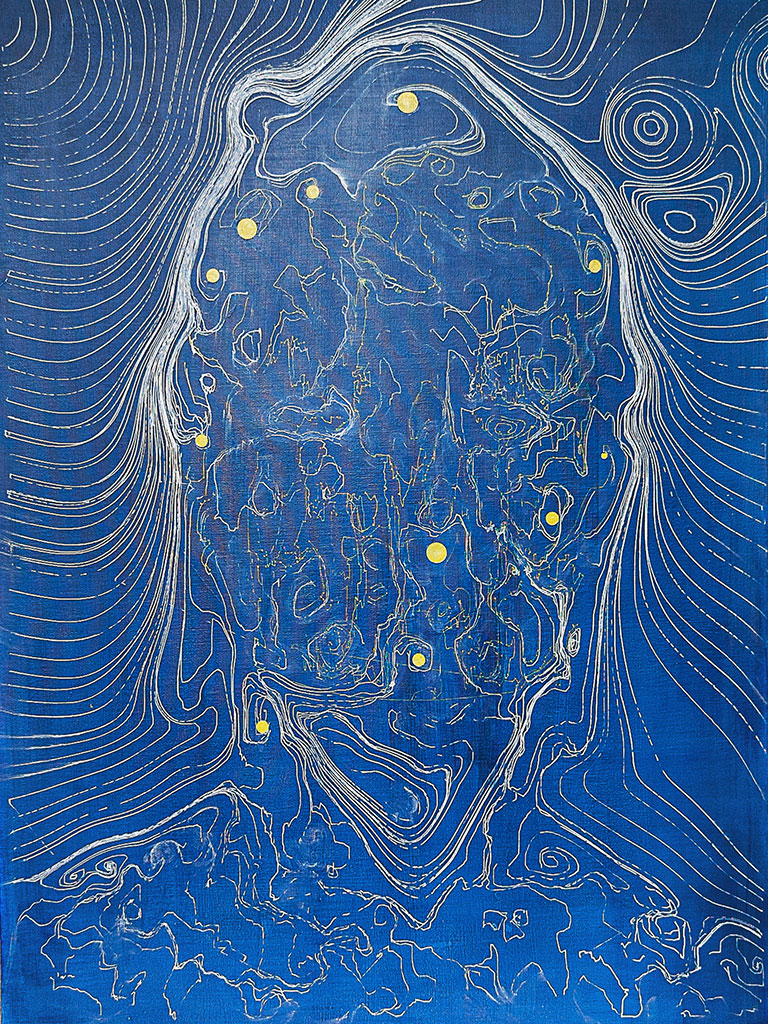
The Maritime Silk Road, also known as the Maritime Silk Route, was a network of sea routes that connected Southeast Asia, East Asia, the Indian subcontinent, the Arabian Peninsula, eastern Africa, and Europe. It began around the 2nd century BCE and flourished until the 15th century.
The Maritime Silk Road was not just a conduit for trade but also for cultural exchange. It enabled the spread of ideas, religions, technologies, and cultural practices across different regions
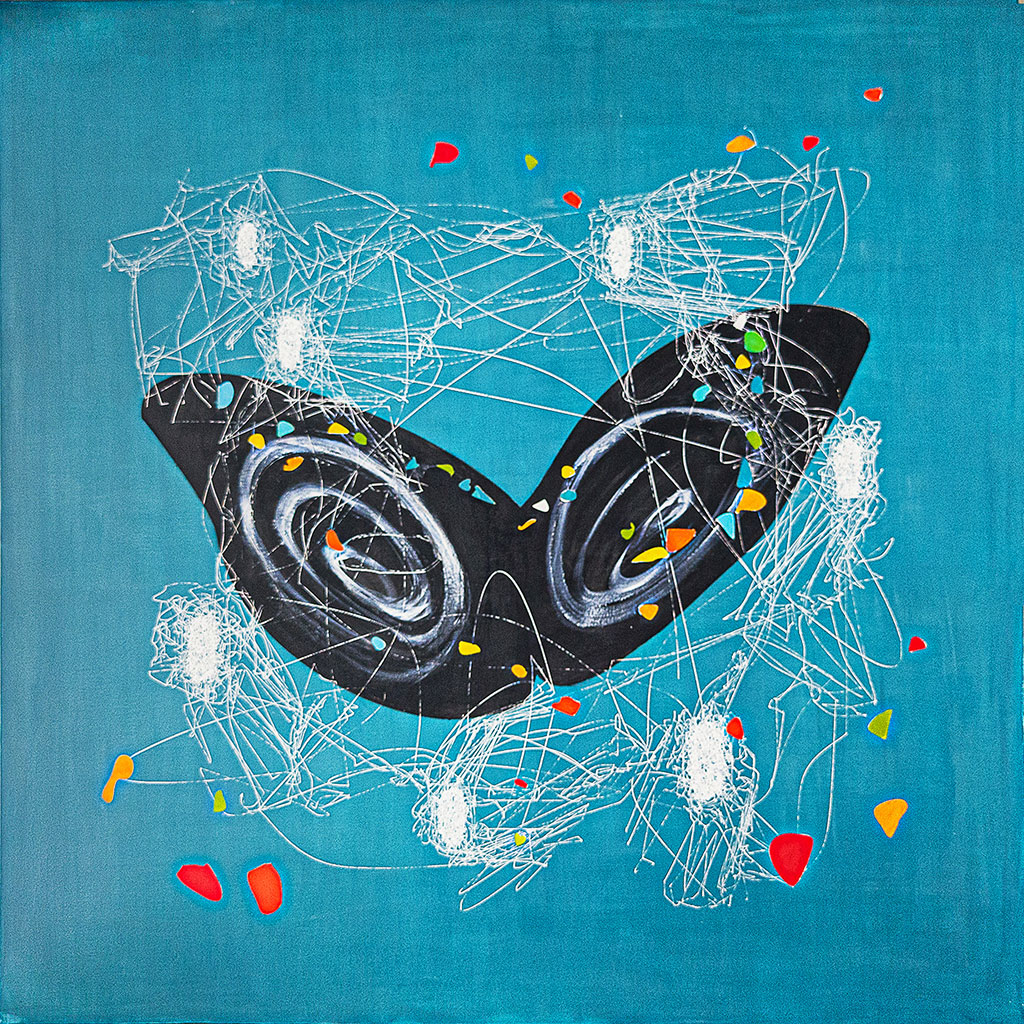
The Butterfly Effect is a concept from chaos theory that suggests small changes in initial conditions can lead to vastly different outcomes. From the humble cocoon to the vast trade routes spanning Asia, the silk trade perfectly embodies this term. It illustrates the intricate journey of silk, from its origins to becoming a prized commodity that connected cultures and civilizations across continents.