Seas of Silk Paintings – a Conceptual View
The article is the concept view for the paintings done for the Exhibition “Seas of Silk” at the gallery Lotus (Ho Chi Minh City, Vietnam) , from October 3 to October 19, 2025
Historical Context
The concept of “Silk Road,” coined in 1877 by geographer Ferdinand von Richthofen, was employed to discuss the early period of trade between the Roman Empire and Han China
The Maritime Silk Road, also known as the Maritime Silk Route, was a network of sea routes that connected Southeast Asia, East Asia, the Indian subcontinent, the Arabian Peninsula, eastern Africa, and Europe. It began around the 2nd century BCE and flourished until the 15th century.
The Maritime Silk Road was not just a conduit for trade but also for cultural exchange. It enabled the spread of ideas, religions, technologies, and cultural practices across different regions
Modern Revival: In recent years, China has proposed the 21st Century Maritime Silk Road as part of its Belt and Road Initiative, aiming to enhance trade and investment across Asia and beyond
Main concepts related to the artworks
Silk Garden artworks
- The process of silk production, known as sericulture, involves several stages from the cultivation of silkworms to the extraction of silk fibers
- It is also a result of genetic selection in silkworms (Bombyx mori), a fascinating process that involves selecting and breeding silkworms with desirable traits to improve silk production and other economically valuable characteristics for thousands years
- Ornaments in the painting are drawn from Vietnamese porcelain found in the shipwreck (See below)
Buddhism Threads
- The Butterfly Effect is a concept from chaos theory that suggests small changes in initial conditions can lead to vastly different outcomes. From the humble cocoon to the vast trade routes spanning Asia, the silk trade perfectly embodies this term. It illustrates the intricate journey of silk, from its origins to becoming a prized commodity that connected cultures and civilizations across continents.
- The “Great Circle of Buddhism” refers to the extensive network of overland and maritime routes that facilitated the spread of Buddhism across Asia. This concept encompasses both the Silk Road and the Maritime Silk Road, which were interconnected and complementary in their roles in transmitting Buddhist ideas, practices, and cultural exchanges
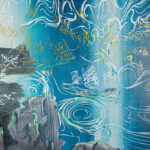
Sailing and Navigation Flows
- The artworks are based on The Mao Kun map, also known as Zheng He’s Navigation Map, is a set of navigation charts compiled during the Ming Dynasty. The map is considered one of the earliest Chinese maps to provide a detailed representation of Southern Asia, Persia, Arabia, and East Africa. Originally a long strip map that could be rolled up, it was later divided into 40 pages in the book. The map focuses on coastal regions and islands along the sea route
- There have been several notable shipwrecks discovered in Vietnam, often relating to its rich maritime history and the impacts of wars and trade routes. Here are the 3 most well known
- The Hoi An Shipwreck (1999) , era: 15th century
- The Binh Chau, Vung Tau Shipwreck (2001), era 17th century
- The Cu Lao Cham Shipwreck (1980s), era 14th century
- Eoc Eo Harbor and Civilisation
- Óc Eo is considered to have been a major port city and the economic heart of the Funan kingdom (1st to the 7th century CE) . The site was first identified in the 1930s through aerial photography and was subsequently excavated by French archaeologist Louis Malleret in 1944.
- It was a main stop on the maritime trade route between India and China. Archaeological discoveries have unearthed a remarkable array of artifacts , Roman gold medallions, statues of Hindu gods like Vishnu and Shiva, Chinese Buddhist statues. Due to its historical importance, the Óc Eo – Ba Thê archaeological site has been designated a special national relic of Vietnam.
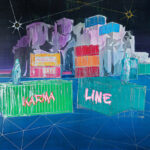
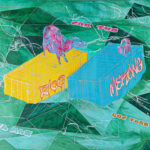
Containers Graffiti
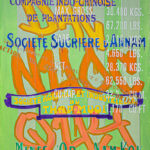
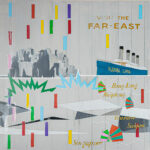
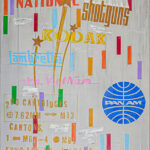
- As of recent estimates, container shipping accounts for about 60% to 70% of the total value of global trade.
- it is clear that a substantial portion of the products we use daily is transported by sea. Many everyday consumer goods, including electronics, clothing, furniture, and food products, are shipped internationally.
- A single container ship can emit as much CO2 as 50 million cars over a year due to its high capacity and long-distance travel.
Documentation
Silk Road
- https://en.wikipedia.org/wiki/Maritime_Silk_Road
- https://transportgeography.org/contents/chapter1/emergence-of-mechanized-transportation-systems/silk-road-arab-sea-routes-12th-century/
Shipwreck
Navigation Map
Interactive
Oc Eo

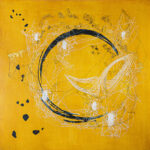
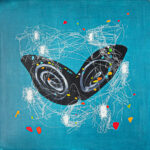
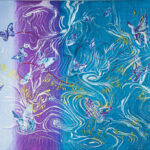
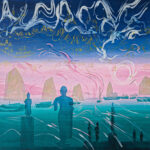
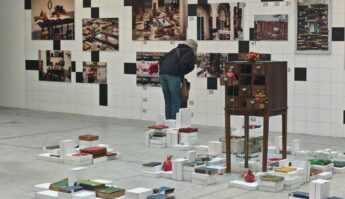
Suggestions for more Art Installation
Seas of Silk Paintings – a Conceptual View
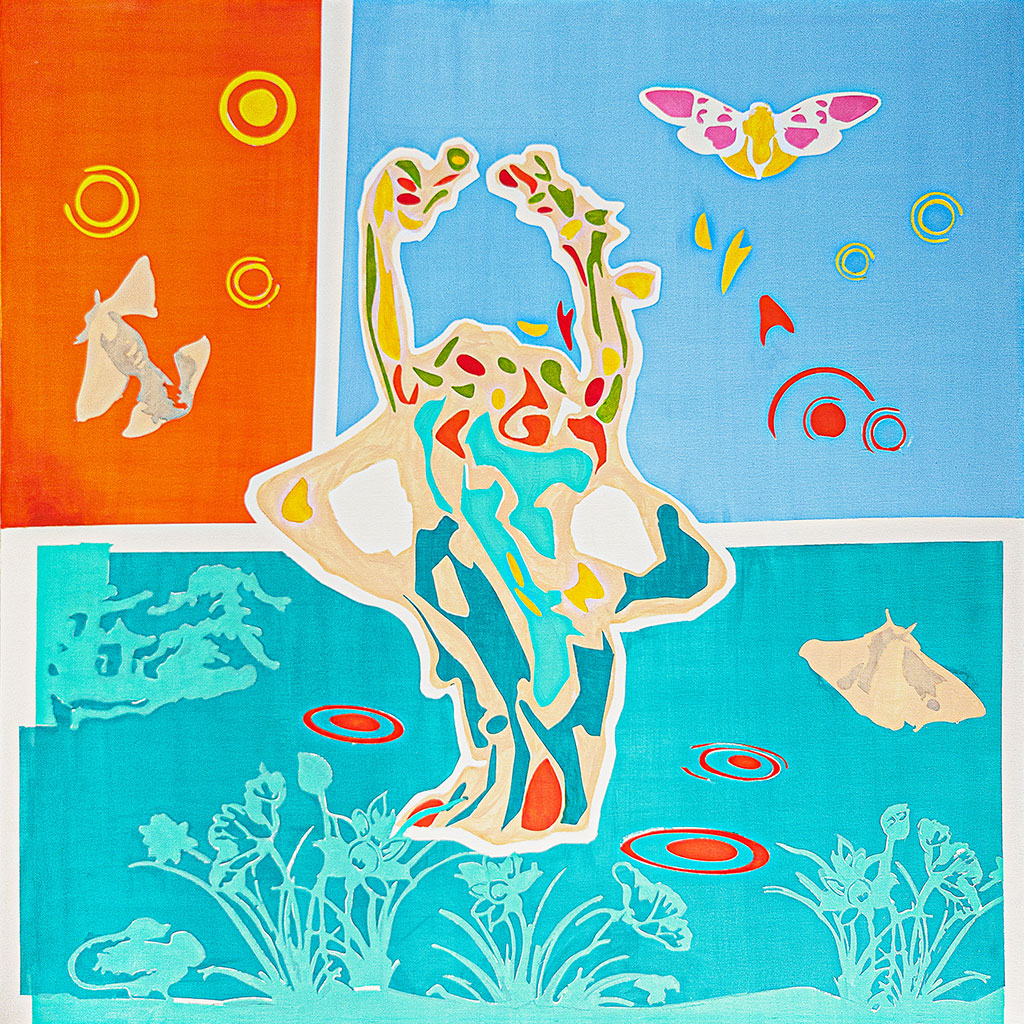
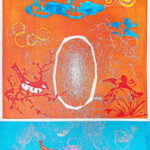
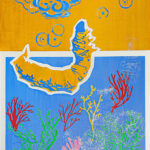
Title : Metamorphosis Info : Series Silk Garden - 2025
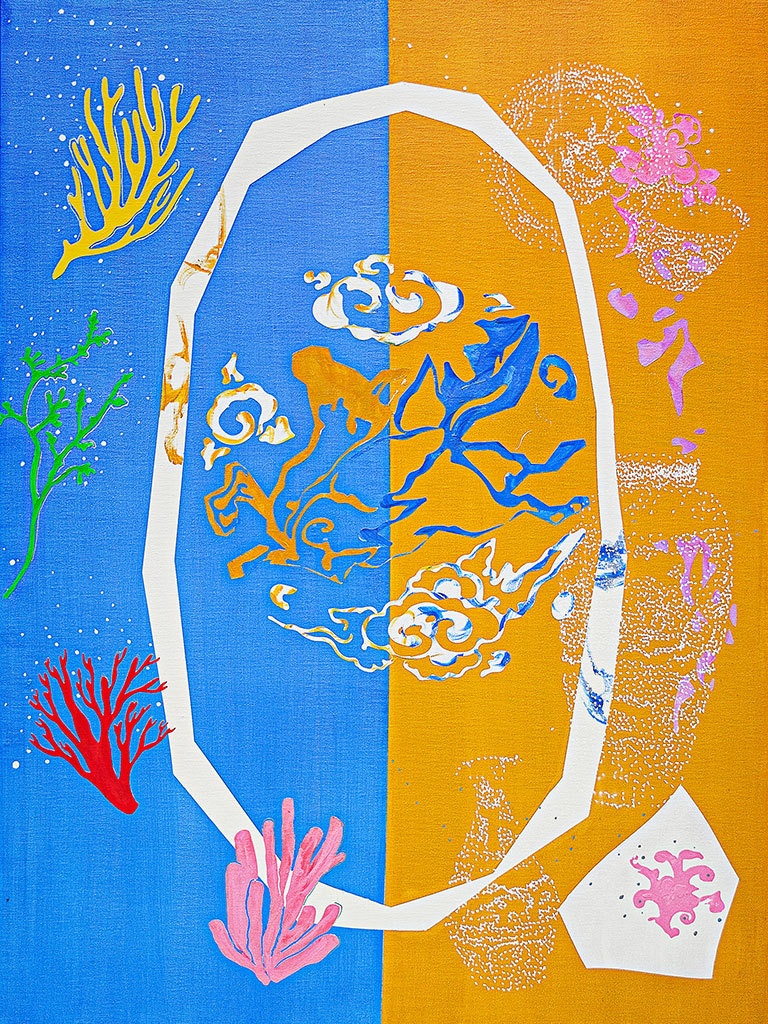
Title : Pegasus Cells Info : Series Silk Garden - 2025
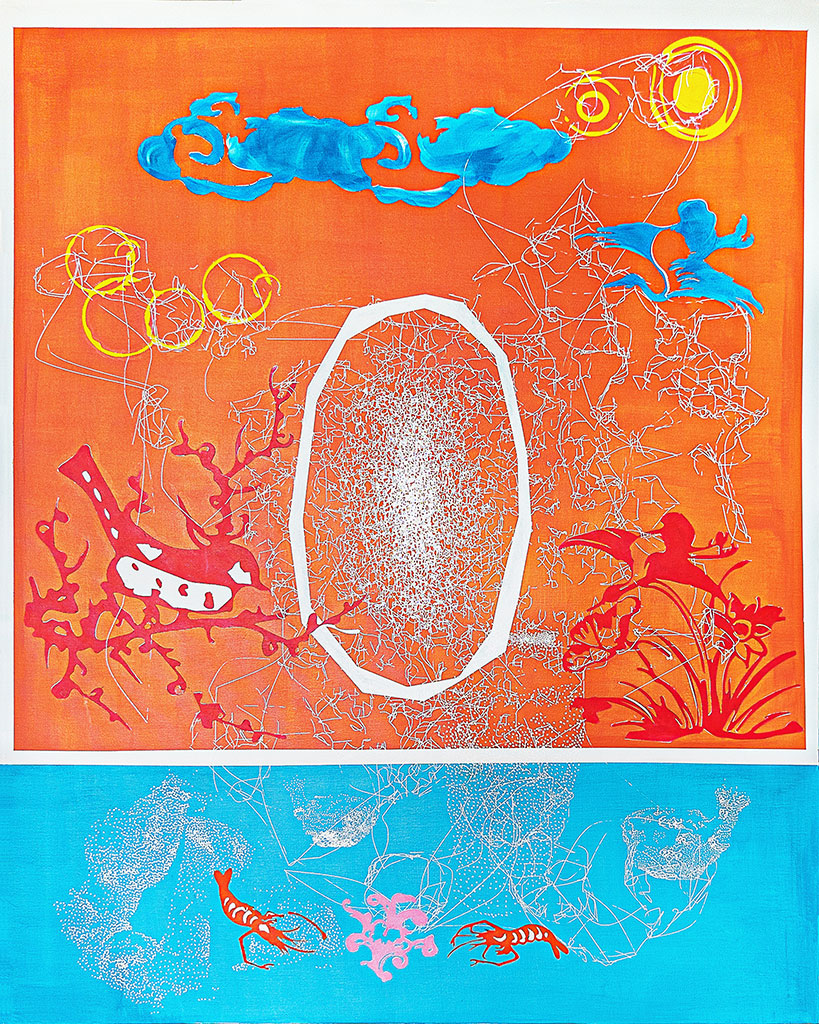
Title : Cocoon Info : Series Silk Garden - 2025
Suggestions for more Art Installation
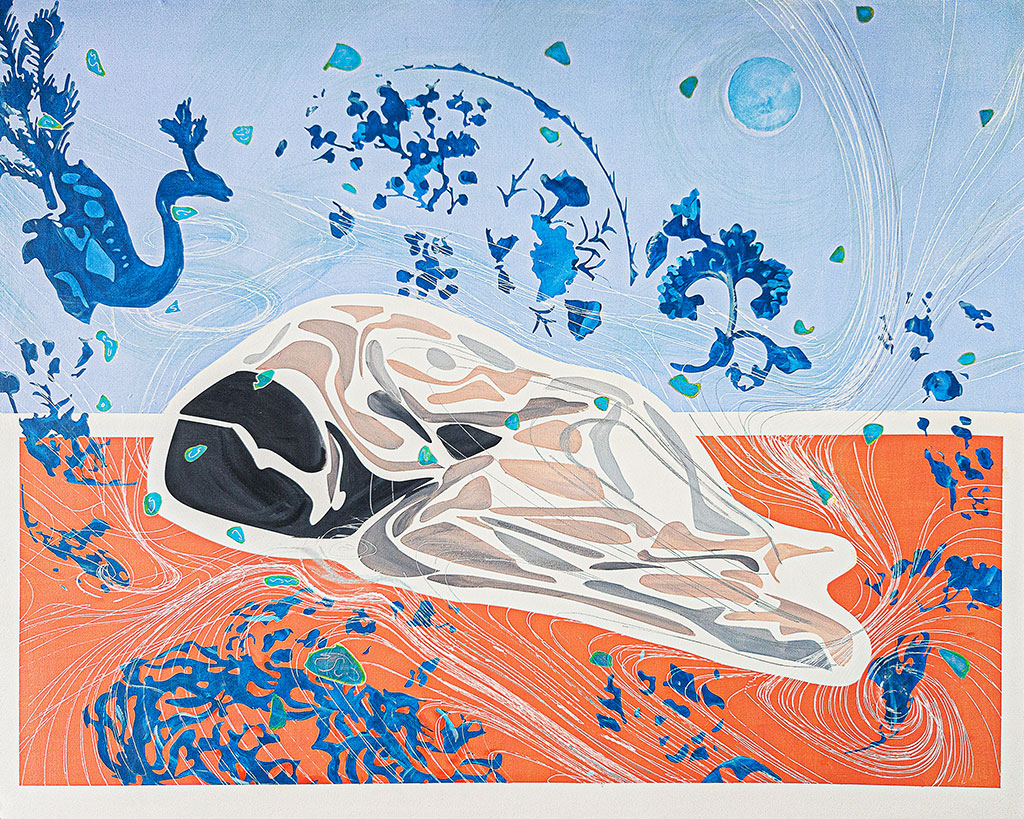
Title : Chrysalis Info : Series Silk Garden - 2025
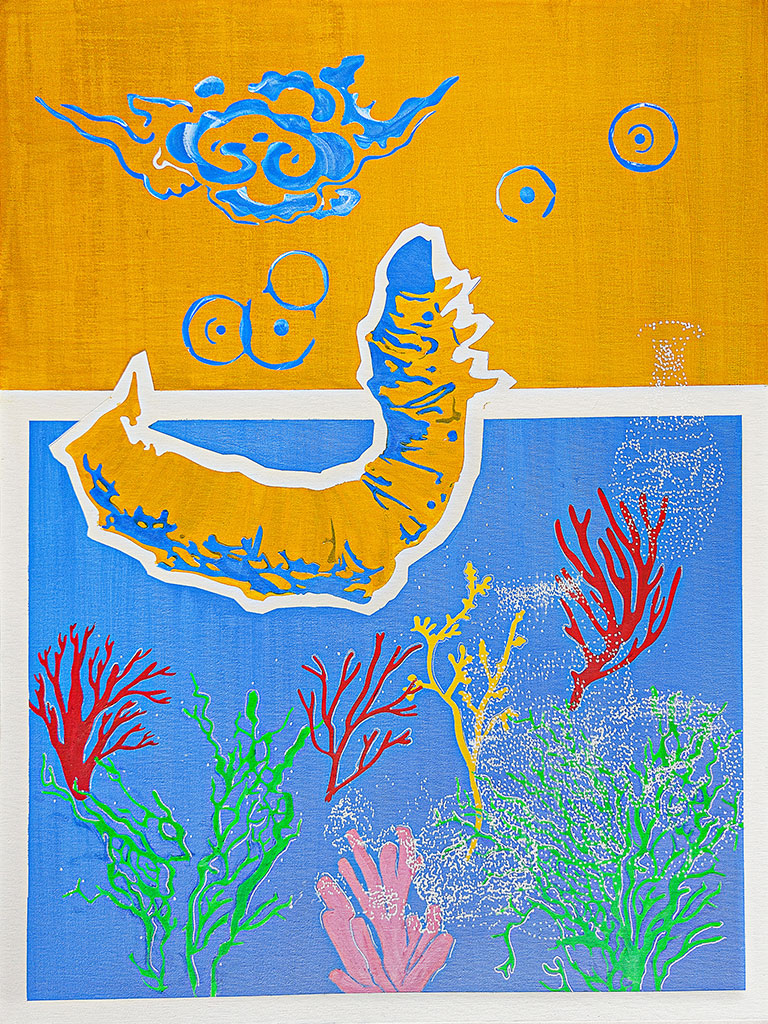
Title : Silkworm Cells Info : Series Silk Garden - 2025
Suggestions for more Art Installation
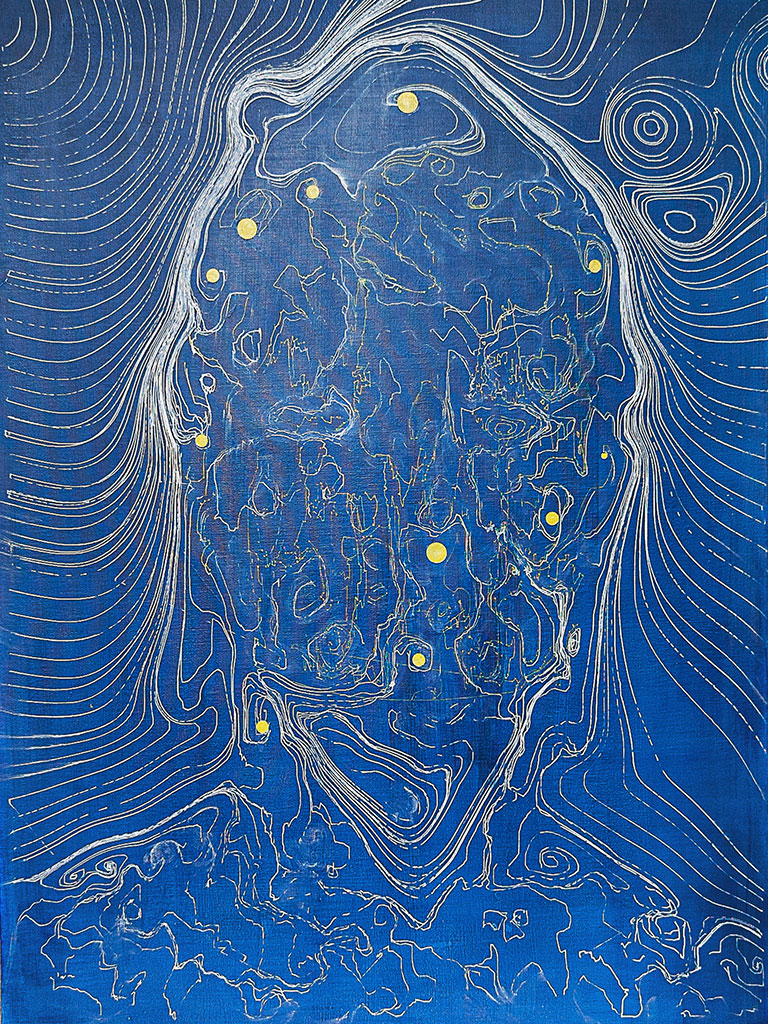
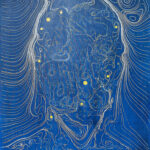
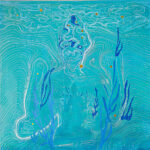
Title : Oc Eo Buddha Info : Series Buddhism Threads - 2025
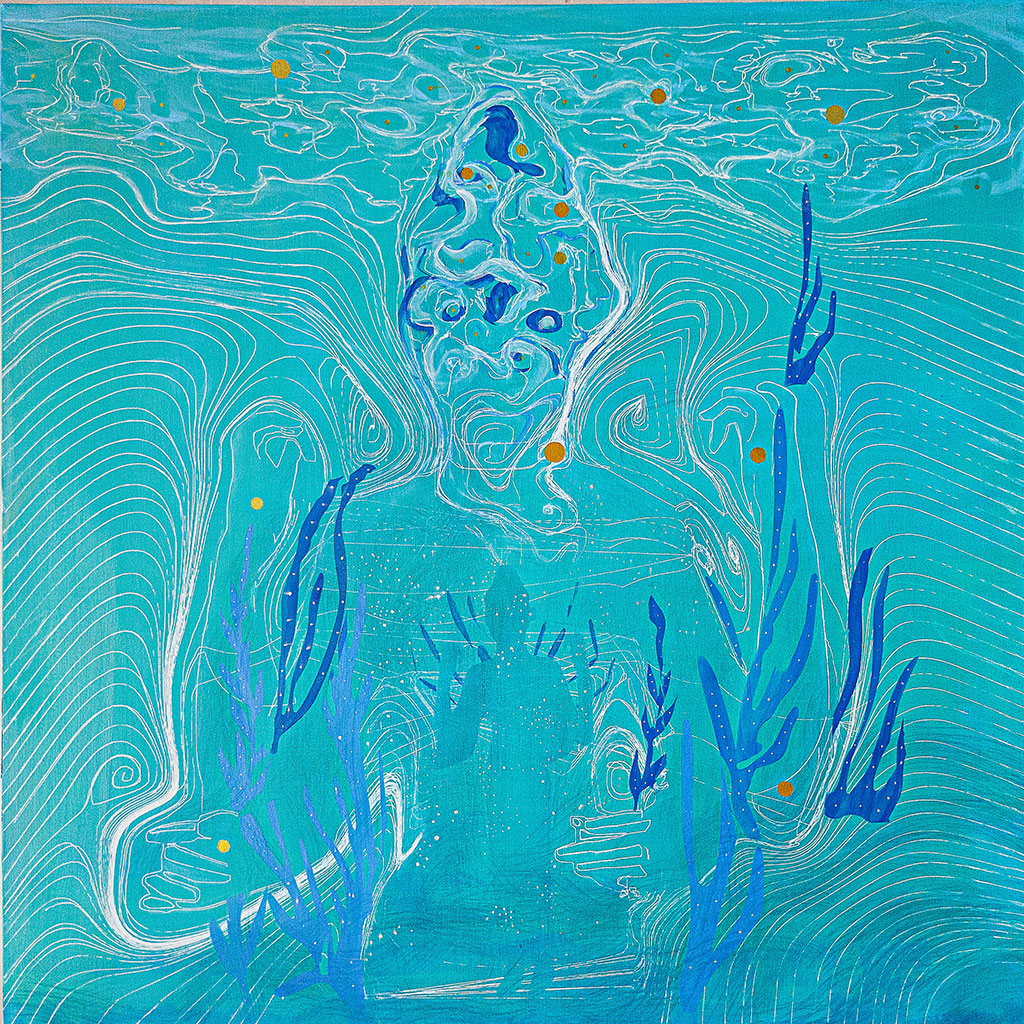
Title : Oc-Eo Undersea Deity Info : Series Buddhism Threads - 2025
Suggestions for more Art Installation
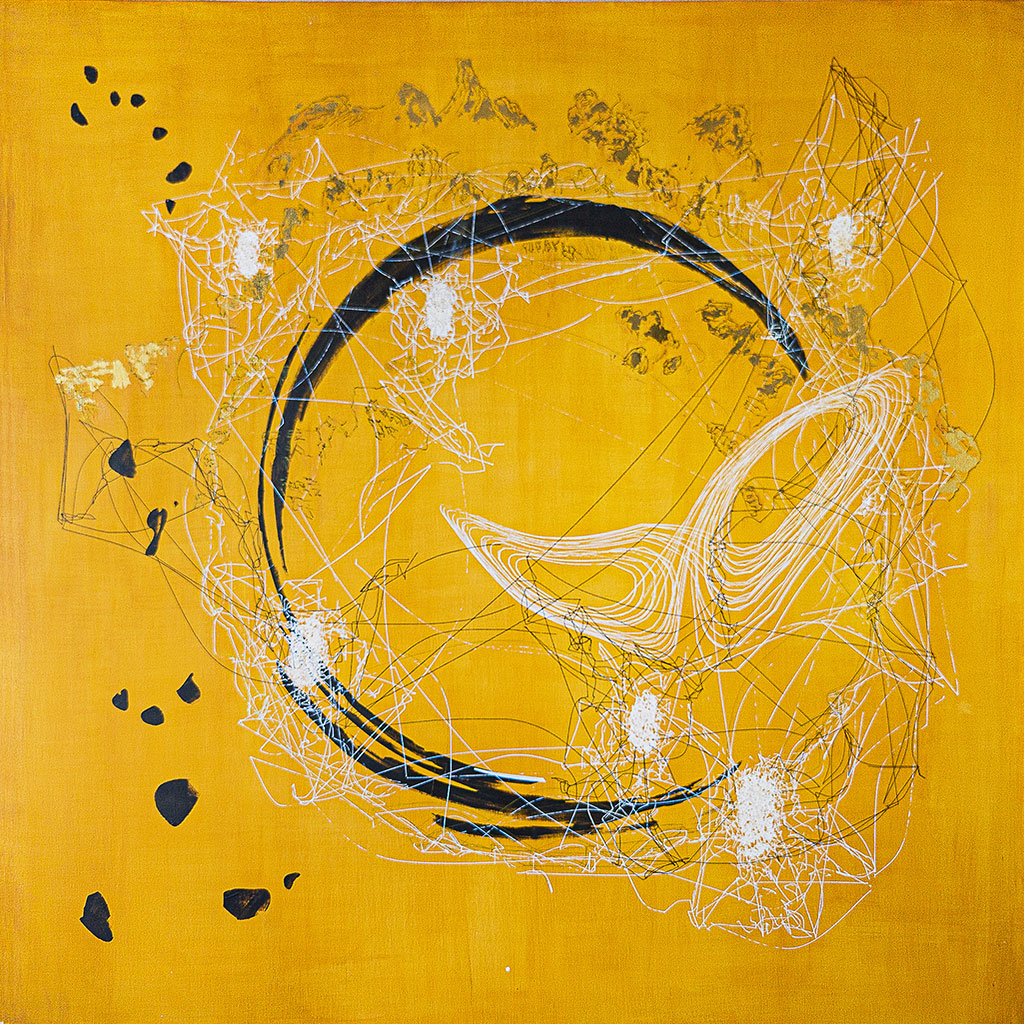
Title : Buddhism Threads Circle Info : Series Buddhism Threads - 2025
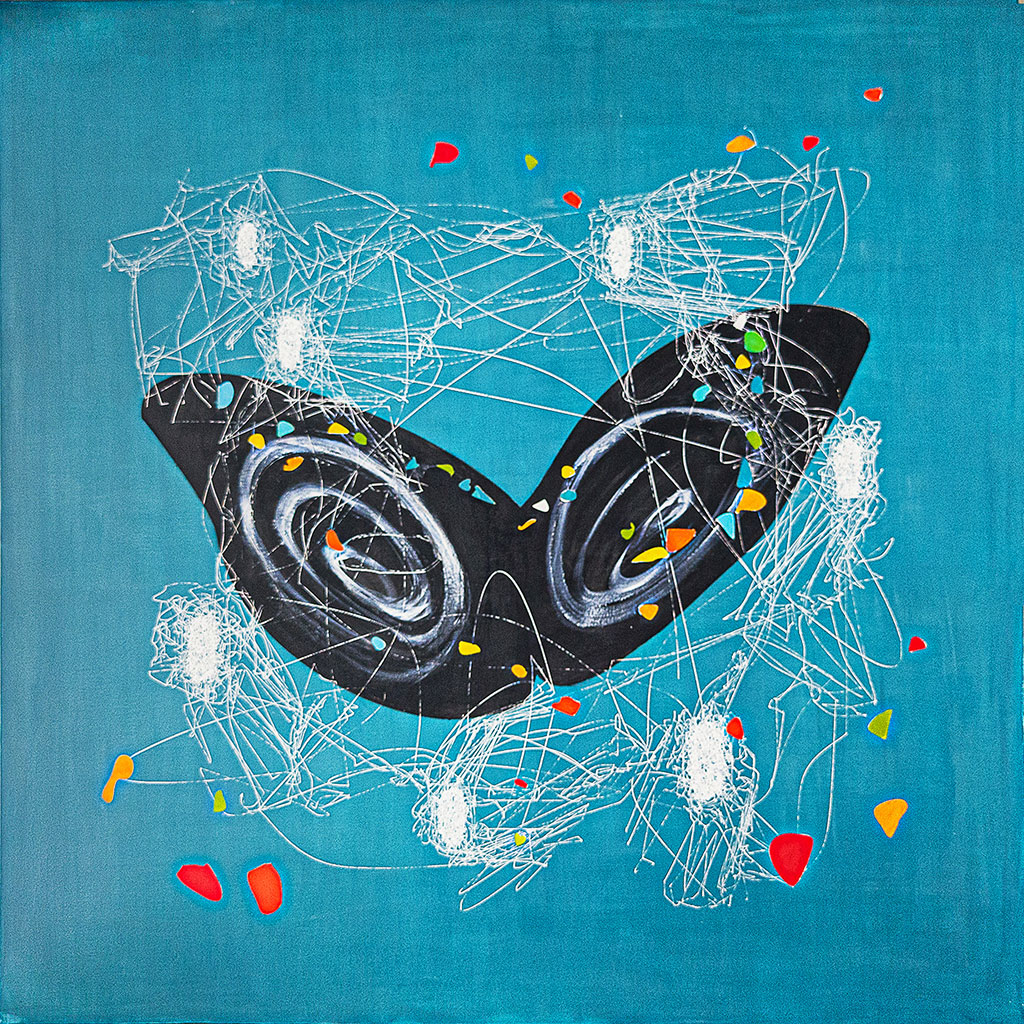
Title : Butterfly Swirls Info : Series Buddhism Threads - 2025
Suggestions for more Art Installation
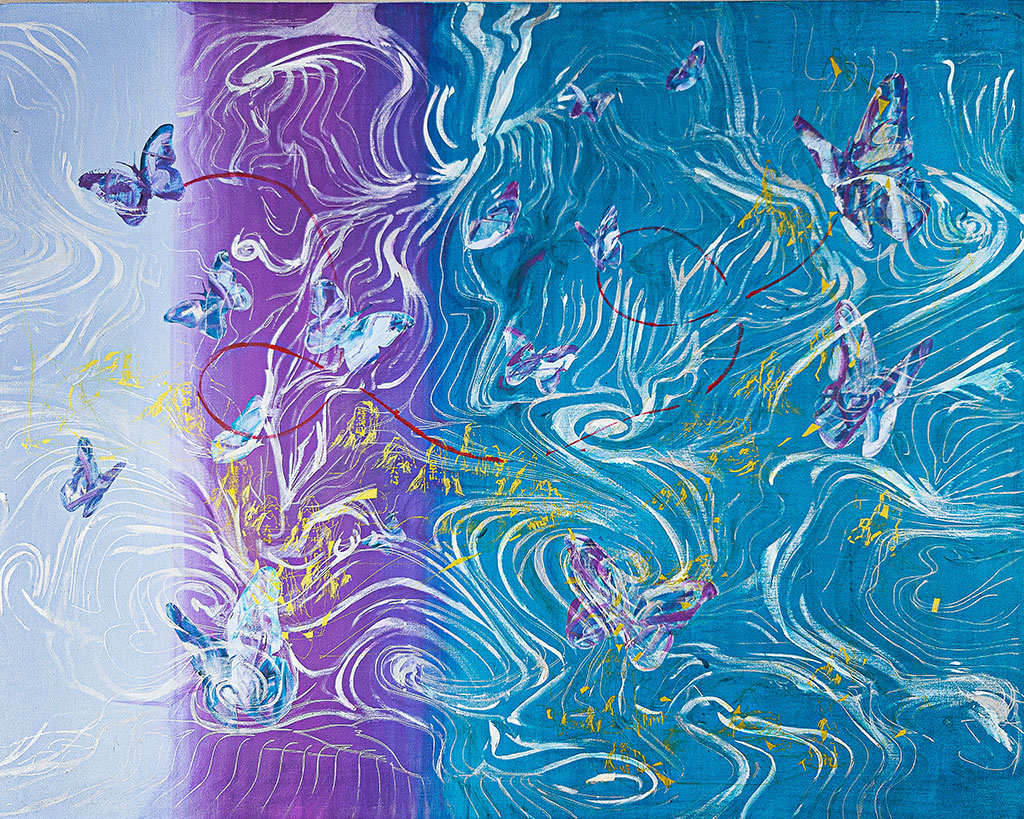
Title : Read Thread Butterfly Effect Info : Series Wind Flows - 2025
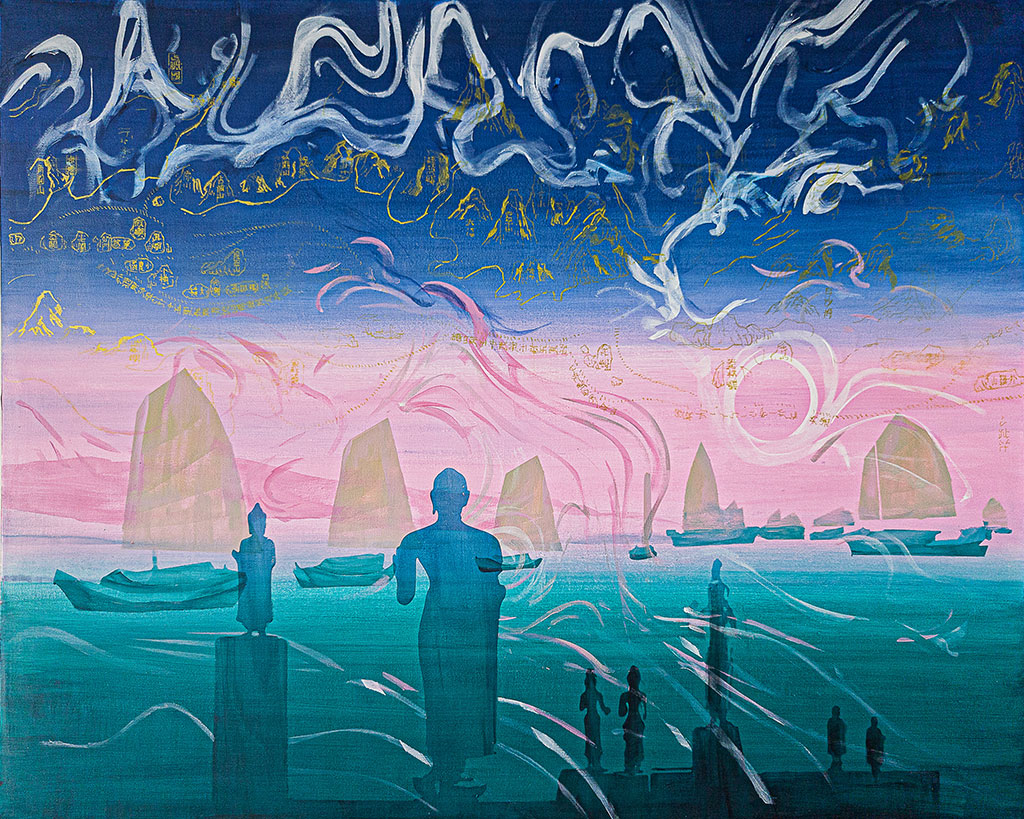
Title : Oc Eo Aurora Info : Series Wind Flows - 2025
Suggestions for more Art Installation
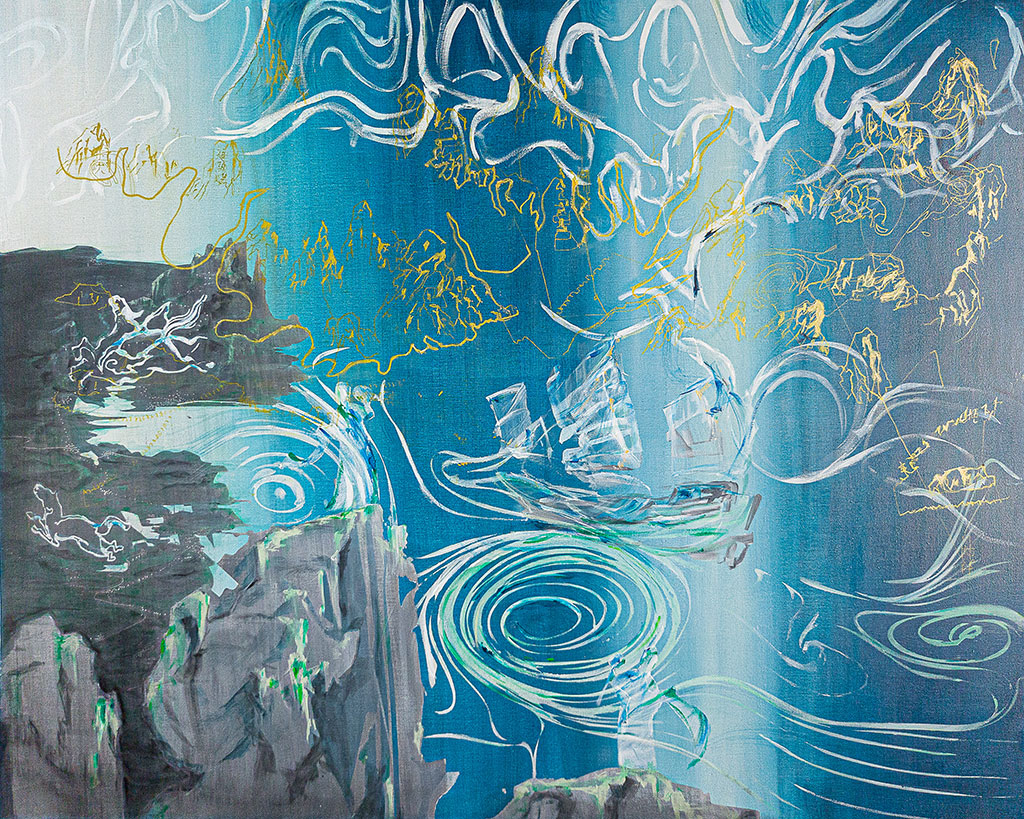
Title : Dancing with the Storm Info : Series Wind Flows - 2025
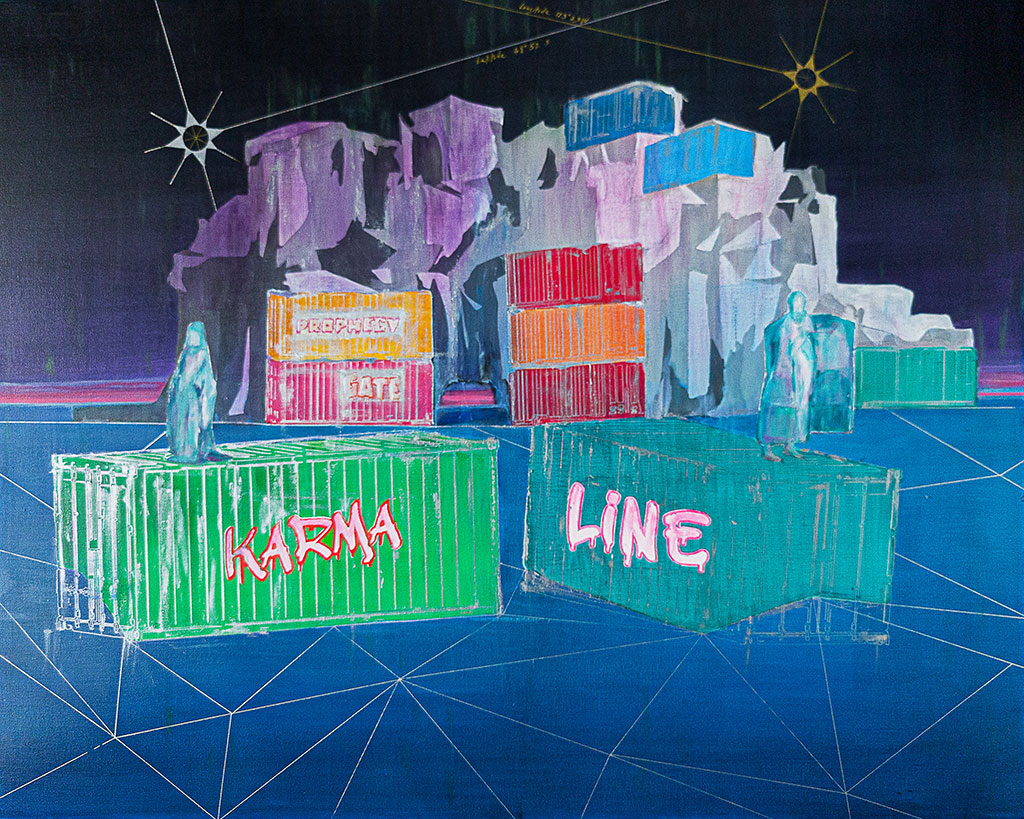
Title : Prophecy Gate Info : Series Container Karma Line - 2025
Suggestions for more Art Installation
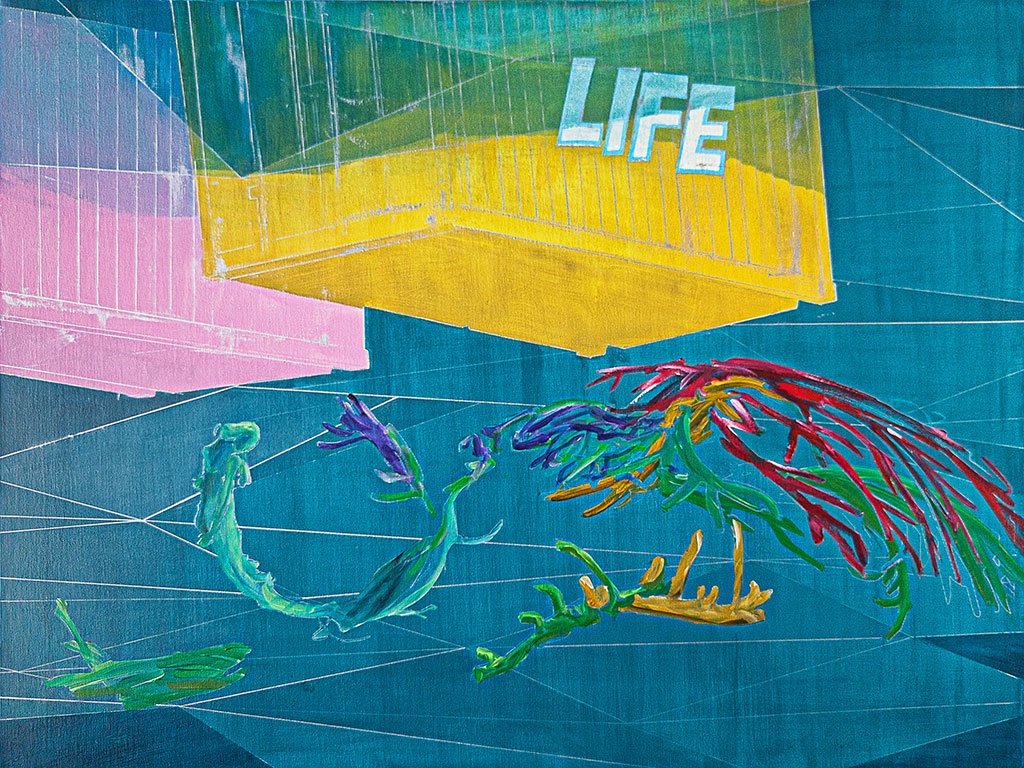
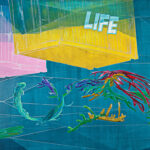
Title : Life Insurance Info : Series Containers Karma Line - 2025
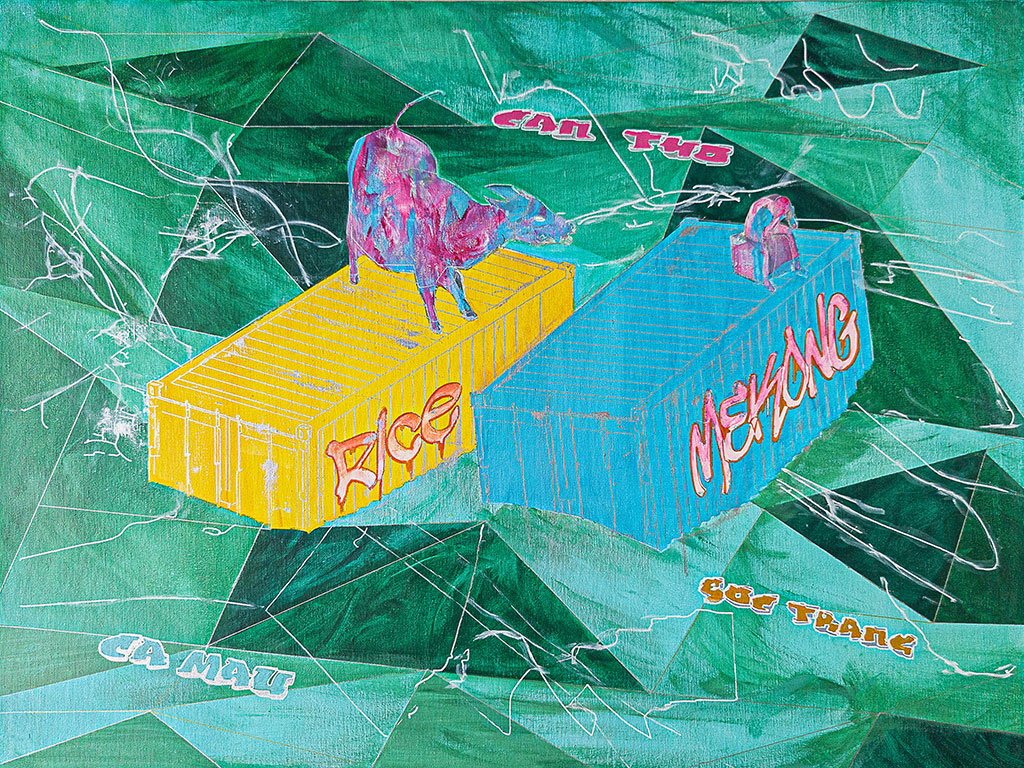
Title : Rice Mekong Info : Series Containers Karma Line - 2025
Suggestions for more Art Installation
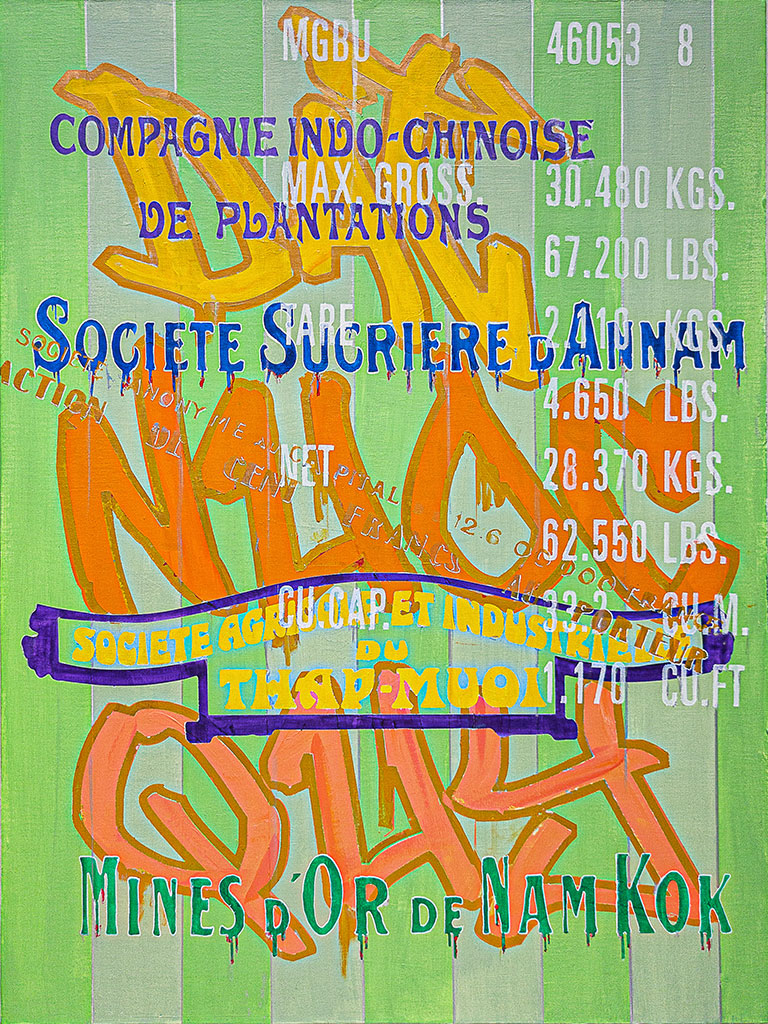
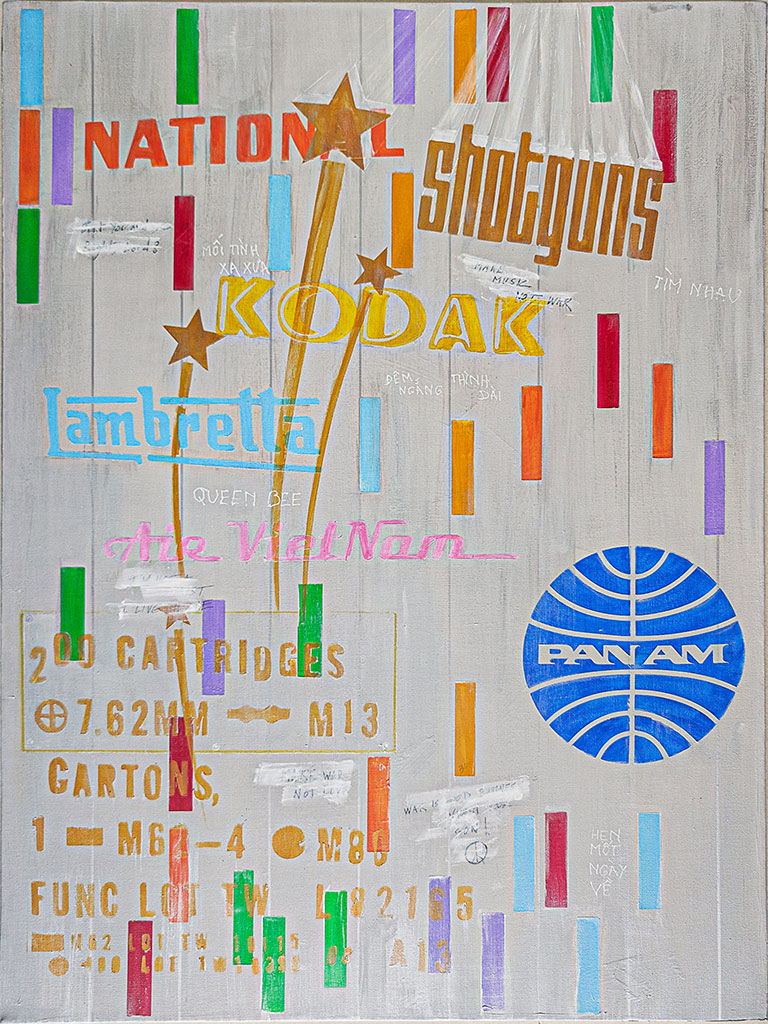
Title : Graffiti Indochina Info : Series Container Graffiti
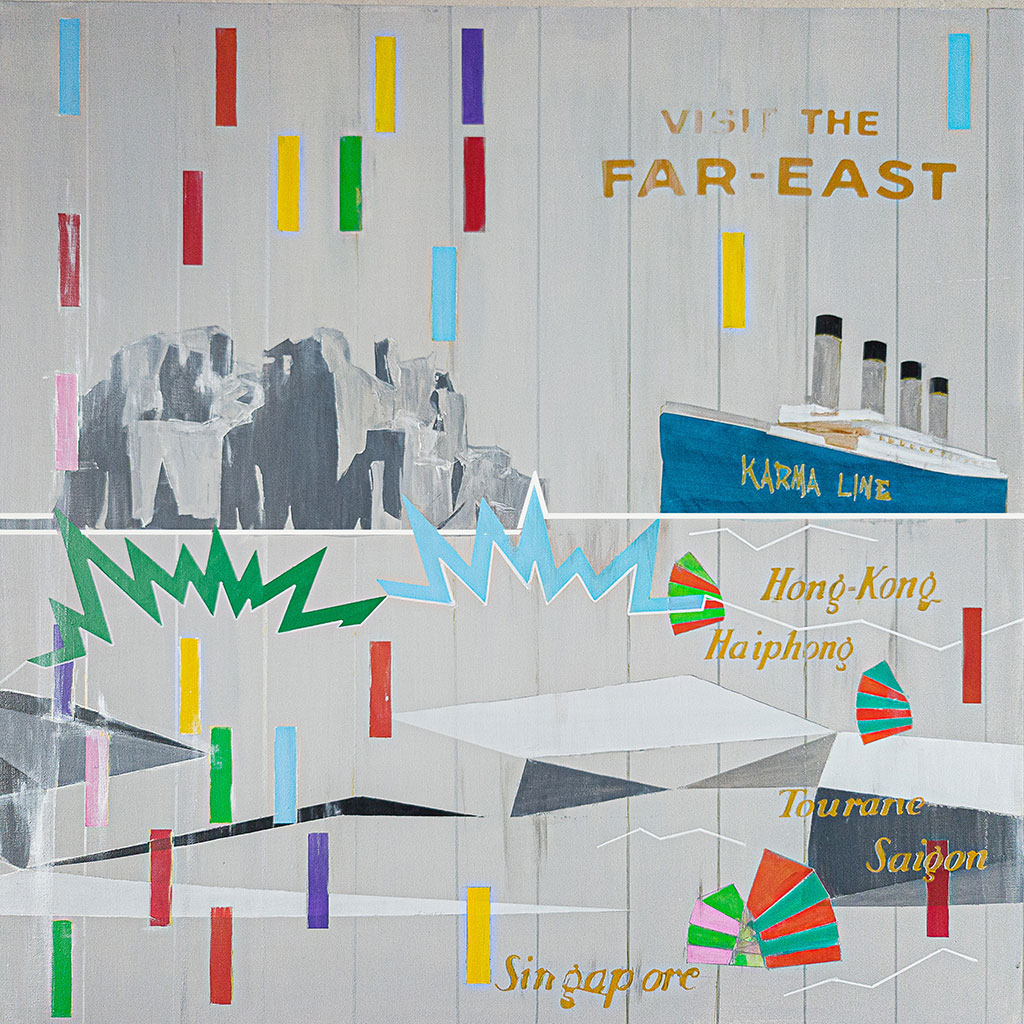
Title : Made In Far-Easr Info : Series Container Graffiti
Suggestions for more Art Installation